Many modern casino visitors view baccarat as a straightforward game of pure chance dominated by rapid betting cycles and automated dealer procedures. However, digging into the historical timeline of this iconic card game reveals an intricate cultural legacy that predates most contemporary table activities. Understanding these ancient roots helps enthusiasts appreciate how a simple comparison of card values originally functioned as a deeply interactive social ritual across global borders.
The Medieval Transition From Folk Tradition to Aristocratic Pastime
The early foundations of baccarat trace back to ancient European gaming customs, where regional card systems relied heavily on manual scoring arithmetic. Historical records suggest the earliest variations emerged in Italy during the fifteenth century before migrating across the continent into specialized high-society circles. This shift allowed the basic numerical mechanics to transition from public taverns into exclusive private environments where strategic decision-making carried substantial reputational weight.
As these early formats integrated into French aristocratic culture, the game underwent significant structural changes that emphasized personal responsibility and shared group interaction. Participants were rarely passive spectators, as traditional setups routinely required players to take turns managing the physical capital and the dealing duties. This collaborative arrangement ensured that each round felt like a community event rather than an isolated wager against a corporate house institution.
How Shifting Table Architecture Influenced Early Gameplay Mechanics
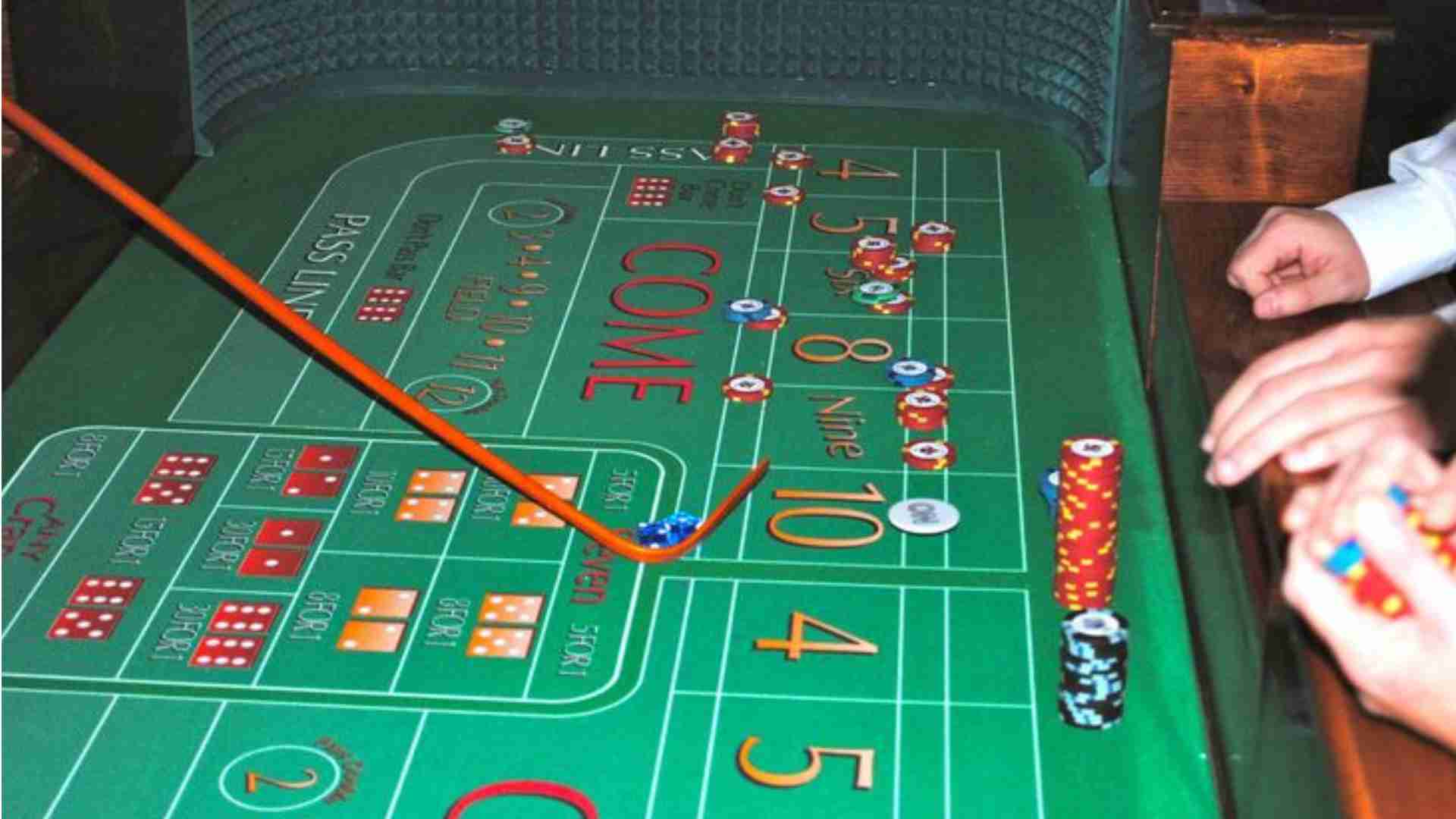
Unlike contemporary standardized casino floor layouts, classic baccarat tables featured massive, distinct designs engineered to facilitate complex multi-player dynamics. Traditional European variants split the physical layout into separate wings, which placed the active dealer directly in the center to face two competing sides of players simultaneously. This structural design encouraged a highly psychological environment where participants could easily observe the drawing choices and timing of their opponents.
This immersive format contrasts sharply with modern automated setups that prioritize rapid transactions over personal player engagement and environmental awareness. Just as casual enthusiasts enjoy the dynamic multiplayer layout found in digital platform options like boss domino, early card table participants relied heavily on group communication and collective accountability. Experiencing these older formats required individuals to learn unspoken codes of conduct and precise hand-handling traditions that preserved game integrity before modern technology took over.
The Survival and Evolution of Regional Rule Variations
The journey of baccarat across different centuries led to the creation of distinct regional rule sets that reflected local cultural preferences regarding financial exposure. In French salons, variants such as Chemin de Fer granted active participants the genuine freedom to decide whether to draw a third card based on situational observation. This element of direct player agency added a unique tactical layer that separated the game from purely automated modern options like Punto Banco.
As gaming centers transitioned into standardized commercial venues during the twentieth century, many of these interactive regional variations gradually faded from the mainstream spotlight. The modern industry favored streamlined mechanics that simplified the rules to accommodate larger crowds and faster betting outcomes without requiring extensive background knowledge. Consequently, recognizing the historical significance of player-controlled banks helps modern enthusiasts develop a more comprehensive perspective on global casino culture.