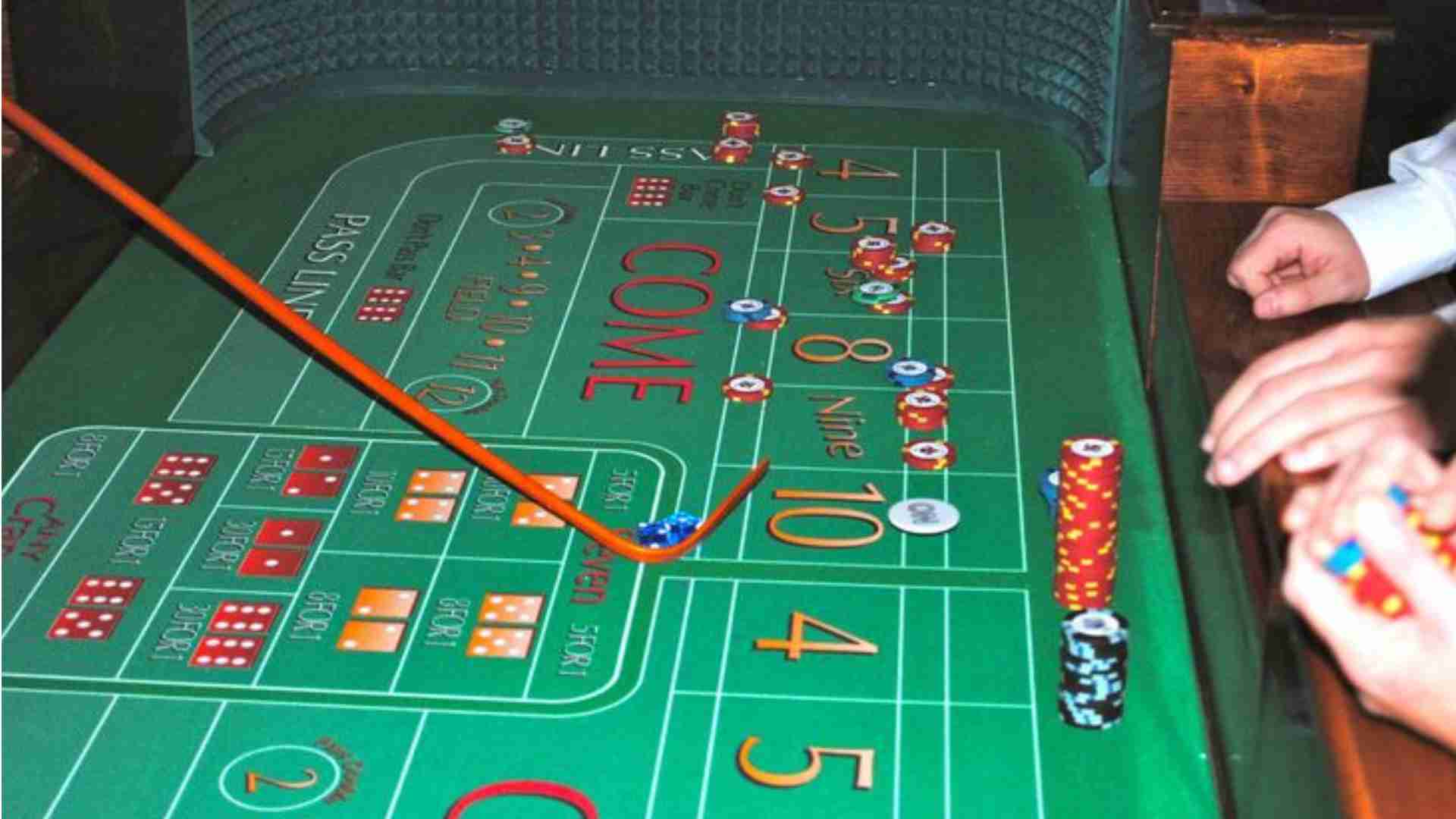
Sic Bo is a historic dice game that continues to intrigue casino enthusiasts worldwide with its rapid pacing and extensive betting grid. While many players focus purely on the visual excitement of the table, understanding the underlying mathematical probabilities is the true key to long-term engagement. Exploring these metrics helps separate standard myths from realistic gaming insights.
The Core Mathematics of Three Dice
Every round of this popular table game relies on the simultaneous roll of three standard six-sided dice. This setup generates exactly 216 unique numerical combinations that determine the winning outcomes. Recognizing this finite mathematical framework allows analytical minds to approach the board with clarity rather than relying on guesswork.
Because each die behaves independently, prior results have zero statistical influence on the next roll. Many participants fall into the cognitive trap of tracking past streaks, assuming a specific total is due to appear soon. True mathematical discipline requires accepting that randomness resets completely with every fresh shake of the container.
Evaluating Even Money Expectations
The most stable probabilities on the table layout are found within the Small and Big wagering options. A Small bet covers combined dice totals from four to ten, while a Big bet covers totals from eleven to seventeen. Both categories exclude any triple outcomes, which slightly shifts the baseline advantage back toward the venue.
Statistically, these traditional even-money choices provide players with the highest likelihood of securing a winning round. Exploring these specific options on trusted networks like Link M88 offers a practical environment to observe how mathematical house edges interact with active bankrolls. Prioritizing these low-variance fields is a universally recommended practice for preserving your capital during longer sessions.
High Risk Propositions and Volatility
Beyond the simple propositions, the centralized betting grid features specific combinations and total sum wagers. Hitting an exact total of four or seventeen delivers a significant payout but carries a much lower probability of manifesting. The stark contrast between these outcomes illustrates the traditional trade-off between risk and financial reward.
The most extreme volatility involves triple bets, where a participant predicts that all three dice will land on an identical value. While the potential payouts are incredibly appealing, the real likelihood of rolling a specific triple is remarkably low. Balancing your approach by limiting these high-stakes wagers keeps your overall gaming experience far more sustainable.
Building a Plan Around Odds
Developing a structured gameplay layout requires balancing personal risk tolerance with the mathematical reality of the table. Combining low-risk wagers with occasional calculated single-number predictions can provide a diverse experience without exposing your budget to sudden drops. Discipline remains the most effective tool for managing natural statistical variance.
Utilizing free digital practice platforms allows newcomers to study the distribution of outcomes at a comfortable pace. Taking time to examine the payout structures printed directly on the table grid removes unnecessary stress from active rounds. Ultimately, mastering the game involves respecting the odds, maintaining patience, and enjoying the natural thrill of the rolling dice.