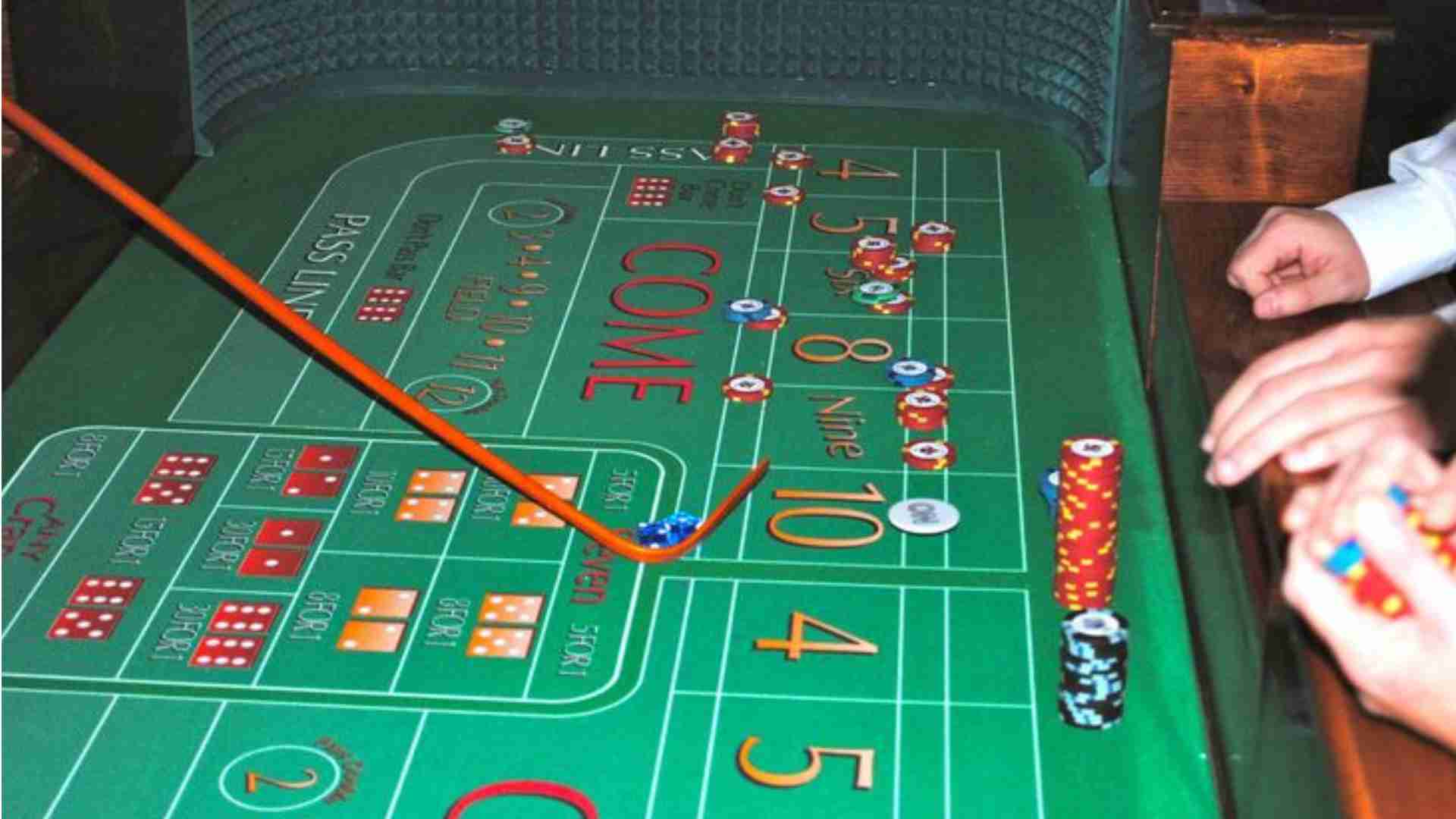
Mastering card games requires far more than relying on the luck of the draw or waiting for the perfect hand to land in your lap. To truly excel, players must combine sharp observation, mathematical probability, and psychological discipline into a cohesive playing style. Developing these skills can transform your casual hobby into a deeply engaging pursuit of mental mastery.
The Power of Pattern Recognition
The foundation of any successful card strategy begins with your ability to read the board and track played cards. By paying close attention to which cards have already been discarded, you can systematically calculate the probability of drawing the remaining ones. This analytical approach takes the guesswork out of your decisions and gives you a distinct mathematical advantage over casual competitors.
As you cultivate this habit, you will begin to notice subtle behaviors and decision-making patterns in your opponents. Recognizing these repetitive tendencies allows you to anticipate their upcoming moves and adjust your defensive tactics accordingly. Over time, this deliberate observation turns chaotic card deals into highly predictable scenarios.
Managing Risk and Capital Stability
A crucial aspect of modern card strategy involves understanding how to manage your resources and control your level of risk. Experienced players know that even the most brilliant tactics can fail if they do not manage their playing capital with strict discipline. Setting clear limits before you begin ensures that a single bad round will not deplete your entire resource pool.
Learning when to play aggressively and when to fold is a vital skill that separates amateurs from seasoned professionals. You can check out the Link M88 platform to explore various strategic gaming guides and test your decision-making limits in real-time. Developing this financial patience helps you maintain a calm, objective mindset through both winning and losing streaks.
Developing Psychological Discipline
Many card matches are decided not by the value of the physical cards, but by the emotional resilience of the players involved. Emotional stability prevents you from making impulsive, frustration-driven errors after experiencing a challenging defeat. Keeping a neutral demeanor makes it incredibly difficult for your opponents to read your hand or predict your next tactical choice.
Consistency is key to refining these cognitive habits and turning them into automatic responses during intense matches. By treating every setback as a learning opportunity, you build a resilient mindset that thrives under competitive pressure. Ultimately, this mental fortitude is what enables top-tier players to secure victory on a regular basis.