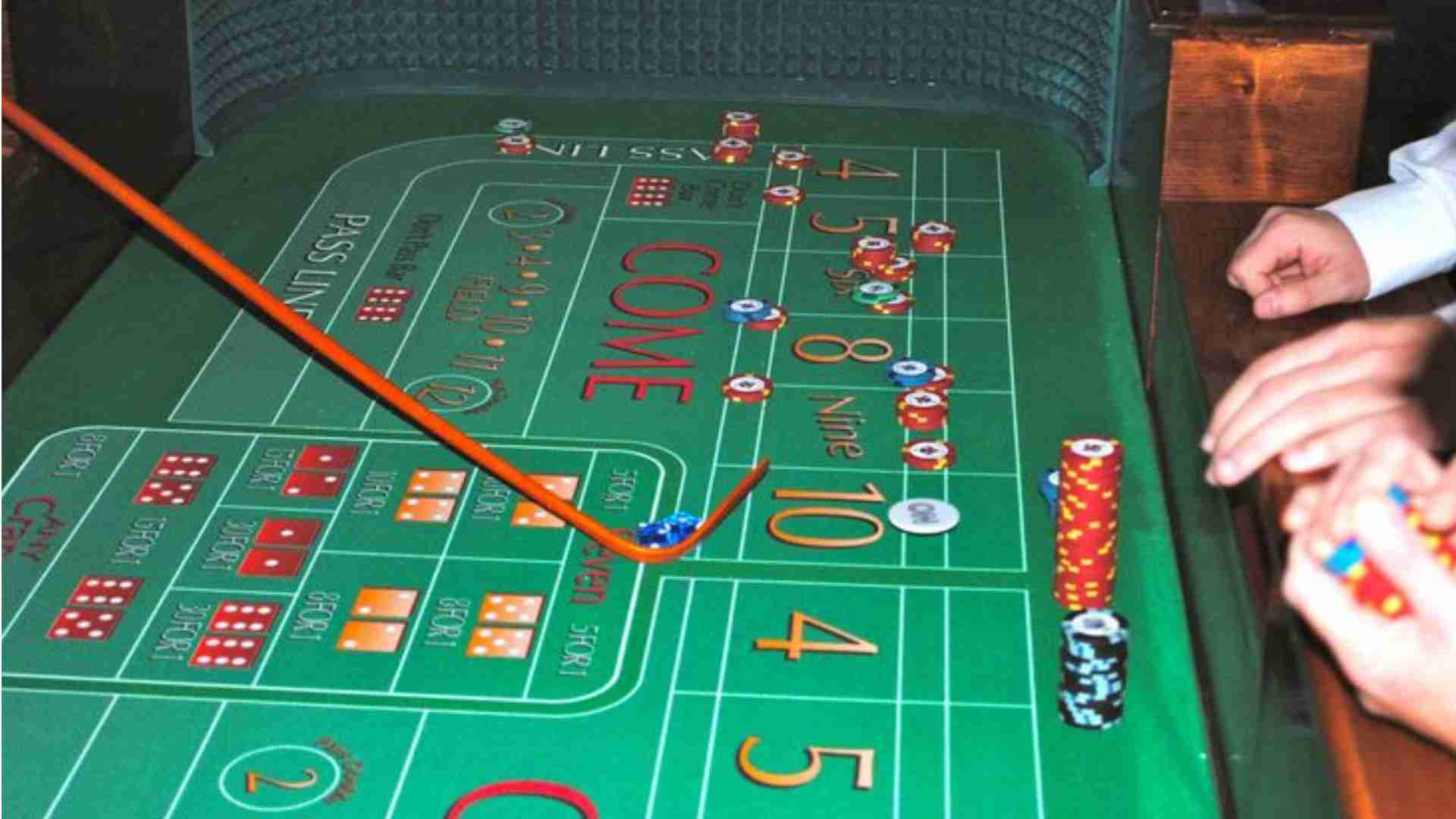
Spin-based mechanics have long served as a fundamental driver of engagement within the amusement sector, transforming basic kinetic motion into highly anticipated moments of recreation. As developers look toward the future, new conceptual models are blending traditional mechanical layouts with digital design principles to create deeper interactivity. This shift moves beyond simple random generation, encouraging a more thoughtful relationship between system design and user immersion.
Integrating Skill Elements into Dynamic Rotations
Modern developers are experimenting with hybrid game systems that supplement traditional random probability with real-time player input. By introducing timing mechanisms or responsive touch targets during active rotations, the user shifts from a passive observer to an active coordinator of the experience. This design evolution introduces a subtle layered complexity that respects player agency while preserving the core thrill of unpredictable outcomes.
These innovations have started appearing across premier virtual environments, shifting how enthusiasts evaluate interactive risk. For instance, platforms like m88 casino demonstrate how modern interface architecture updates classic systems for contemporary audiences. Providing visible paytables and responsive interaction layers ensures that the resulting gameplay feels balanced, transparent, and rewarding over extended gaming sessions.
The Influence of Visual Fidelity and Immersive Audio
Enhanced sensory design plays a pivotal role in establishing authentic narrative stakes within interactive spinning platforms. Moving beyond static graphics, new iterations utilize advanced lighting engines and complex physics simulation to mimic authentic weights and friction. When an object behaves predictably in a digital space, the psychological engagement spikes because the outcome feels attached to a real physical environment.
Soundscapes are also undergoing massive updates to build systemic tension during the deceleration phase. Rather than relying on generic loops, intelligent software adapts the acoustic pitch and rhythm to correspond precisely with the decreasing speed of the engine. This real-time auditory feedback loop naturally mirroring the physical properties of movement creates a powerful sense of atmospheric realism.
Narrative Frameworks and Progression Mechanics
To retain audience interest beyond a single round, designers are embedding rotational mechanics directly inside larger storytelling contexts. Each individual cycle can unlock unique storylines, collect decorative assets, or advance a character across a virtual map. This shift ensures that every session contributes toward a permanent milestone, transforming independent events into a cohesive journey.
Implementing multi-tier systems further optimizes this sense of long-term achievement. Reaching specific levels can unlock entirely new variations of the game board, altering the distribution of available targets and visual motifs. By providing explicit long-term objectives, developers establish a healthier and more sustainable entertainment model that rewards patience and consistent exploration.